
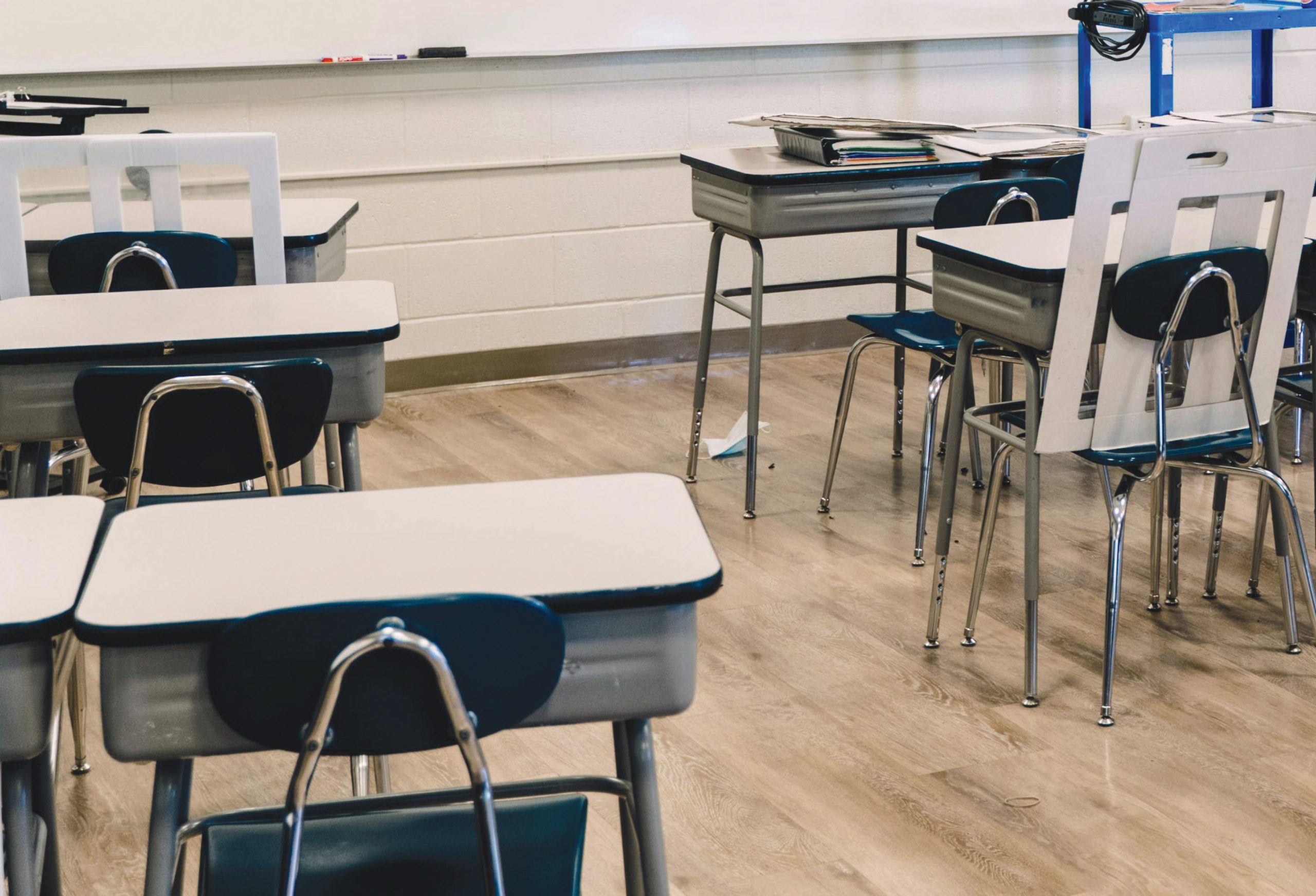
Teachers Say Supports Are Falling Behind
Manitoba teachers say they are being asked to do more with less, as classrooms grow increasingly complex and supports fail to keep pace. Many report working without consistent educational assistants or access to clinicians and specialists, while supporting students with trauma, diverse learning needs, and significant socio-economic challenges.
A new survey of 3,470 Manitoba public school educators highlights the scale of these pressures, with the vast majority identifying class size, complexity, and lack of supports as their top concern.
As one Brandon teacher put it:
“We are not meeting the needs of our kids… society expects us to be a one-stop shop.”
Educators also describe growing strain across classrooms, where inclusion needs are growing, but supports are failing to keep pace. Another teacher said:
“Class sizes are too large, and there are too many complex needs. Inclusion is happening without the proper supports or planning in place.”
Many say the results is a system where teachers are constantly adapting just to maintain basic classroom functioning, often at the expense of instructional time.
Across responses, educators say behaviour management has become a dominant part of the school day, affecting learning for all students. This is especially pronounced in early years classrooms.
“Classrooms have become far more complex. The needs of students have multiplied, and the expectations placed on teachers and other education staff have risen, while resources and supports have remained stagnant and in many cases, declined,” said Lillian Klausen, president of The Manitoba Teachers’ Society.
According to the survey, 81 per cent of educators say class size, complexity, and lack of supports are their primary concern, while 80 per cent report that classroom complexity has increased over the past five years.
Nearly half (48%) of teachers now report having more than six students with complex needs in their classroom—up from 8.1 per cent in 2017 and 23 per cent in 2024.
“With the growing demands in today’s classrooms, it is more important than ever that class size and complexity are examined to ensure all students are given the best chance of success,” Klausen said.
Educators also report increasing student needs alongside limited access to supports such as educational assistants, psychologists, and social workers. Seventy-eight per cent say students are not receiving the supports they require, and 63 per cent report a decline in educational assistant support.
“Teachers need more than twice the number of EAs in their classrooms than they currently have to keep up with growing student needs,” Klausen said. “The reality is that students who are struggling may be overlooked—not because educators don’t care, but because there are too many needs and not enough supports.”
As part of The Manitoba Teachers’ Society’s Classroom Reality 2026 campaign, additional findings will be released throughout May leading up to our 107th Annual General Meeting.
The survey was conducted by Probe Research through a census-style survey of MTS members between Jan. 22 and Feb. 17, 2026, with 3,370 respondents and a margin of error of ±1.54 percentage points, 19 times out of 20.